🐕 Can a Talking Dog Teach Your Kids About Investing?: A Review of "Ein Hund namens Money"

Most adults wish someone had taught them about money earlier. This book by Bodo Schäfer does exactly that - and it does it in a way that children actually enjoy.
Table of Contents
What is this book about?
The story follows Kira, an eleven-year-old girl whose family is struggling with money.
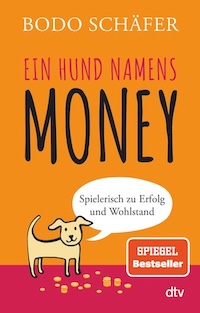
One day, Kira meets Money, a talking white Labrador who becomes her personal financial coach. Over the following weeks, Money teaches Kira - through simple conversations and small challenges - how money works, how to save, and how to think about wealth.
It reads like a fable. The "magic dog" format is a clever device: children accept financial wisdom more readily from a friendly animal than from a textbook or a parent. The lessons feel natural because they grow out of the story, not the other way around.
What financial lessons does it teach?
Schäfer does not talk down to young readers. The concepts in this book are the same ones that form the foundation of good financial thinking at any age. They are simply explained in a way a child can hold onto.
Core lessons in the book
- The Three Piggy Banks - Kira learns to divide any money she receives: some to spend, some to save, and some to give. The habit of splitting income into buckets is one of the most practical things any person can learn.
- The Golden Goose - money that works for you - Schäfer uses the classic fable of the goose that lays golden eggs to explain what saved money can become. Your savings are the goose; the returns it generates are the eggs. The key rule Kira learns: never kill the goose. Spend only the eggs - the income your money produces - not the savings itself. This maps directly onto what investors know as living off returns rather than drawing down capital.
- Goals give money direction - Kira is taught to connect saving to a specific goal. Without a goal, saving feels like sacrifice. With one, it feels like progress.
- The Success Diary - Money encourages Kira to keep a daily journal of small wins: things she is proud of, goals she is working toward, and moments where she acted despite fear or doubt. The idea is simple - confidence and financial success are connected. A child who notices their own progress is more likely to keep going.
- Earning is something you can learn - Kira actively looks for ways to earn money herself. The book encourages a mindset of problem-solving and initiative rather than just waiting for pocket money.
Why a story works better than a lesson
Think about how you learned the things that actually stayed with you. Most of the time, it was not from a lecture. It was from a story, an experience, or a person you cared about.
Children are no different. If you sit a ten-year-old down and explain compound interest, their eyes will glaze over in about ninety seconds. But if they follow a character they like through a problem they understand - "Kira needs money, what should she do?" - the lesson lands in a completely different way.
"The best financial education doesn't feel like education at all."
Schäfer understood this. The financial content in the book is genuinely solid, but it is always in service of the story. The dog Money is charming, the challenges are real, and by the end, the reader has absorbed a complete mental framework for handling money - without ever feeling like they sat through a class.
Who is this book for?
Originally written in German, the book has been translated into more than twenty languages and has become a bestseller across Europe and beyond.
It is also worth noting that this is not a book only for children in financially difficult situations. Kira's family struggles with money, which gives the story its motivation, but the lessons apply universally. A child from any background will benefit from learning these habits early.
"The best time to teach a child about money is before they need it. Ein Hund namens Money is one of the most accessible and genuinely useful tools for doing exactly that - a book worth having on the shelf and worth reading together."